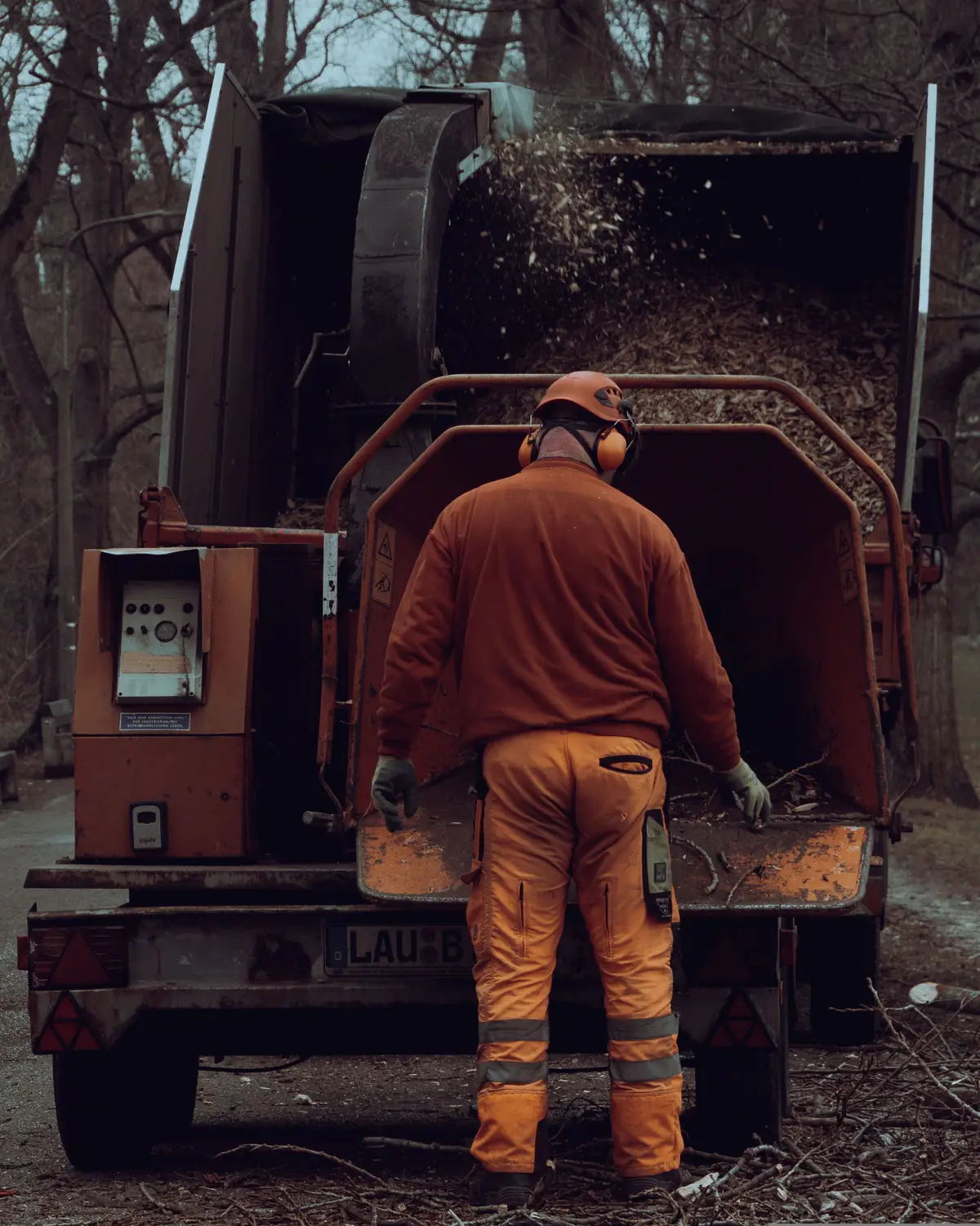
Tree service on the South Hill — one of Spokane's older residential neighborhoods, with mature street trees and backyard orchards. Fill the form.
Takes 20 seconds. We pass your request to a local Spokane-area tree pro.
Tree service on the South Hill — the South Hill is one of Spokane's older residential neighborhoods, sitting on the elevated plateau south of downtown. The housing stock is largely pre-WWII through 1960s, which means a lot of mature street trees, backyard orchards, and large deciduous specimens that pre-date the current parcel layouts. For an estimate, fill the form below — we pass your request to a local Spokane-area tree pro.
Mature deciduous work. South Hill lots have older maples, elms, lindens, and oaks that are often 60–100 years old. Preventive crown reduction and structural pruning are the common requests, especially before snow season.
Backyard orchard pruning. The South Hill has a strong backyard-orchard tradition. Dormant-season pruning on apple, cherry, and pear trees is a frequent February–March request.
Hillside access considerations. The South Hill is literally a hill — some lots have significant slope, retaining walls, and limited truck access. Hillside jobs take longer to set up and sometimes require rigging equipment that flat-lot jobs don't.
Deadwood after snow season. April–May deadwood on the mature deciduous overstory. Spokane averages 45.4 inches of annual snowfall (NWS Spokane — Climate Normals), and the South Hill's elevation means it sometimes gets slightly more.
Primary coverage:
Source: USPS ZIP code lookup. Adjacent areas also covered: central Spokane, Latah Valley.
Rules vary by whether the tree is on your private property or in the public right-of-way. The City of Spokane Urban Forestry program maintains the current permit rules — see City of Spokane — Tree Permits. South Hill street trees are part of the City of Spokane's street tree inventory, so right-of-way work may involve city coordination. The pro flags this during the walk-through.
Spokane's South Hill was first developed in the late 1800s and early 1900s as the city's premier residential neighborhood. Many of the mature trees still standing today — large maples, elms, lindens, and specimen conifers — were planted in that era. That means a lot of 80–120-year-old trees on South Hill lots, and the maintenance needs that come with that age class.
The South Hill also has a notable backyard orchard tradition. Many lots have apple, cherry, pear, and plum trees — some planted recently, others surviving from the original 1920s–1950s era home gardens. Dormant-season pruning on these legacy fruit trees is one of the signature South Hill tree jobs.
The City of Spokane maintains a street tree inventory for many South Hill blocks. If your property fronts a street where city-planted trees occupy the planting strip, those trees are generally city-maintained. Pruning, removal, or planting on these is a city decision — contact Spokane Urban Forestry first. Trees fully on your private lot are your call.
Can you work on steep lots?
Ask the pro about steep-lot access during the walk-through. The pro assesses access on site and quotes accordingly.
Do you prune fruit trees?
Yes — dormant-season fruit tree pruning is a common South Hill request. Mention it on the form so the pro schedules the right window.
What about mature elms?
Dutch elm disease is a concern on older elm stands in Spokane. If you suspect symptoms (flagging, wilting, bark beetle galleries), request an evaluation — the pro walks the tree and recommends next steps.
Fill the form above. A local Spokane-area tree pro can contact you to schedule the on-site walk-through.
Get My Estimate →