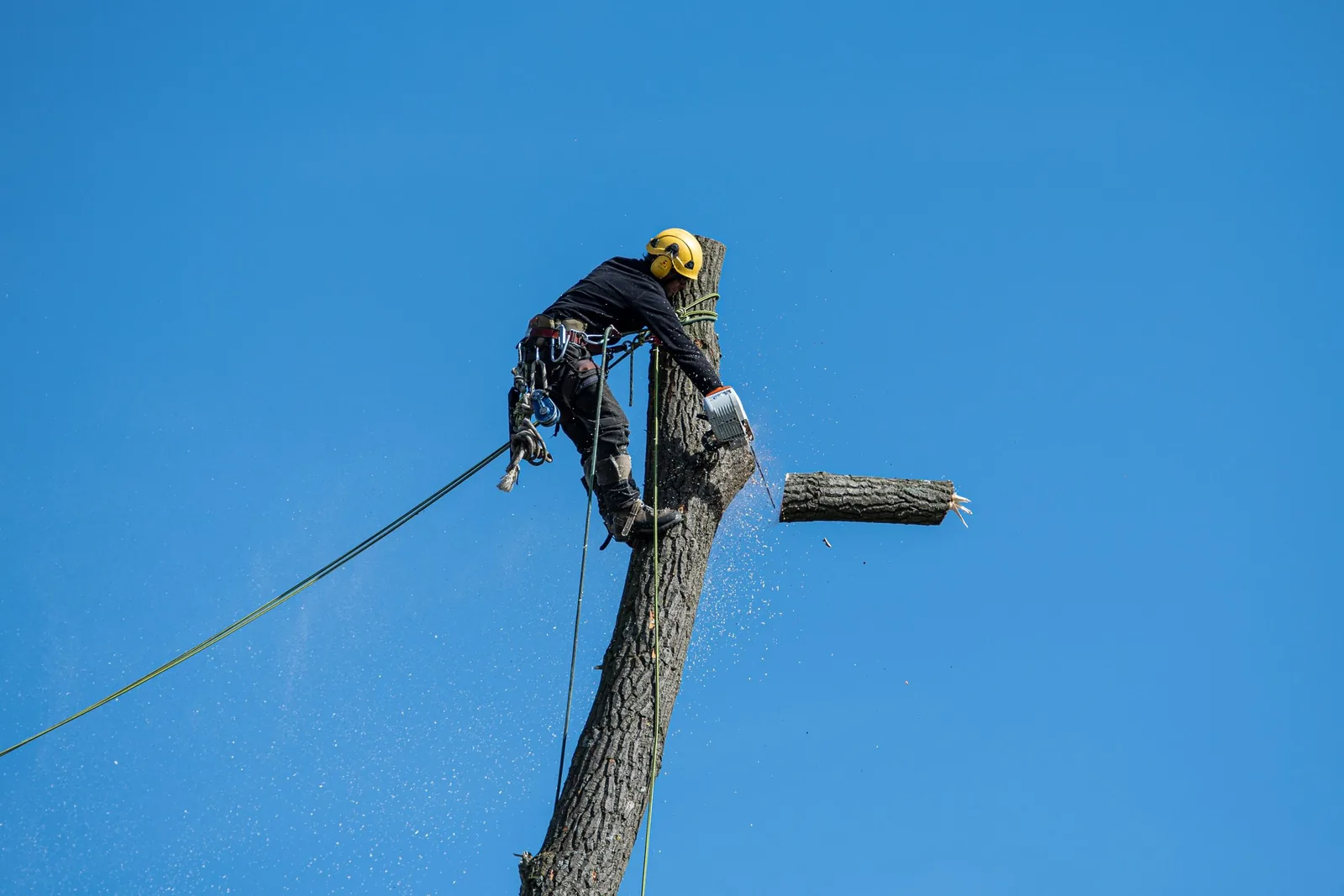
Tree Removal Spokane WA — when a tree in the Spokane area needs to come down. Fill the form and we pass your request to a local Spokane-area tree pro.
Takes 20 seconds. We pass your request to a local Spokane-area tree pro.
Tree Removal Spokane WA — this page covers when a tree in the Spokane area needs to come down, how the pro assesses the job, and what drives the quote. If you already know you need removal, fill the form below — we pass your request to a local Spokane-area tree pro who contacts you to walk the property or quote from photos.
Dead trees. Dead wood is unpredictable in Spokane's weather. Limbs snap mid-cut, trunks fail under snow load, and standing deadwood becomes a magnet for bark beetles. A dead tree within reach of the house, driveway, fence, or power lines is the easiest removal decision.
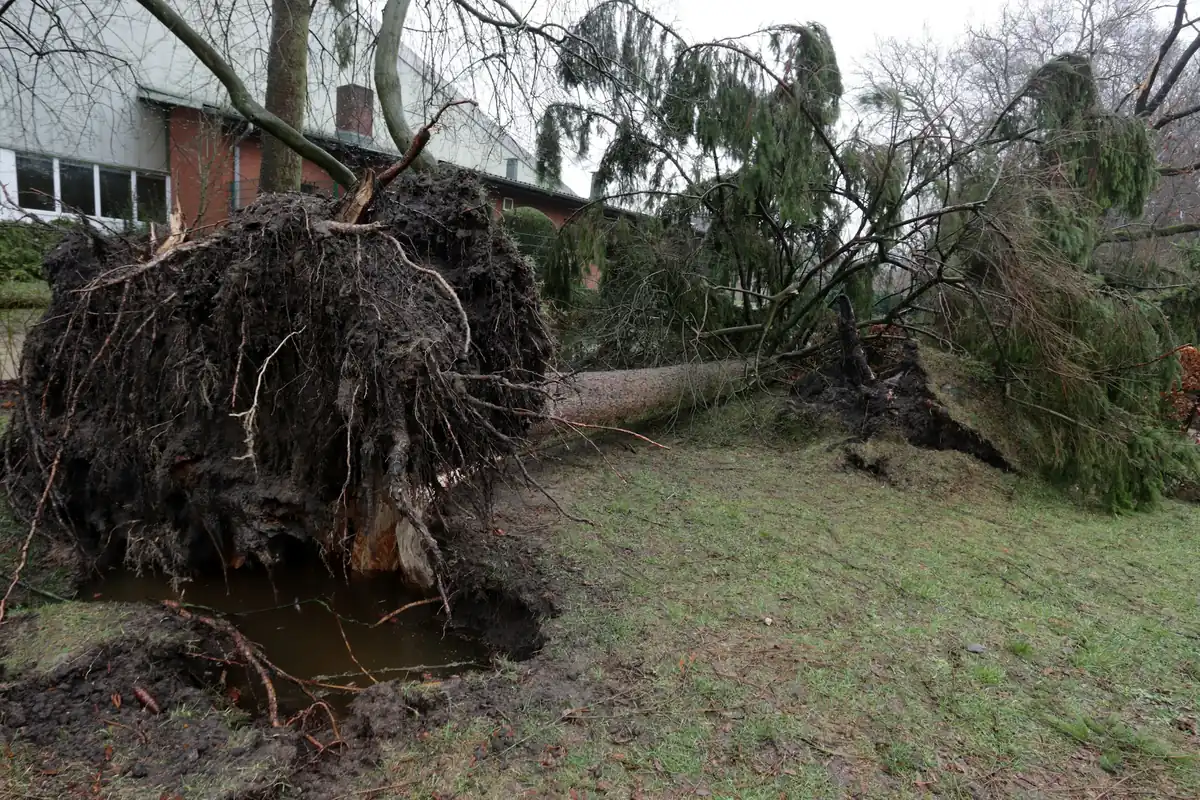
Hazard leans. A ponderosa or Douglas fir that developed a new lean after wet soil, after the November windstorms, or after a heavy snowstorm needs an assessment. If the soil on the opposite side of the lean has heaved, the root plate is lifting and the tree can't re-anchor. That's almost always a removal.
Partial storm failure. After a 2015-type windstorm (NWS Spokane — November Weather History) a lot of pines in Spokane lost half the crown. The remaining half is unbalanced, exposed to future wind from the opposite direction, and often decapitated at the top where the new leader has no structural history. These are frequent removal candidates, not pruning candidates.
Root rot. Mushrooms or fungal brackets at the base of a mature pine or fir are a late-stage sign. By the time the brackets appear, the root system is often already compromised. The pro will tap for hollow sections during the walk-through.
Co-dominant leaders with bark inclusion. Common on ponderosa pine and some older Spokane maples. The V-shape at the junction is a mechanical failure point under snow load. Preventive removal of one leader is sometimes an option; full tree removal is the other.
Southern Pine Beetle equivalents — Mountain Pine Beetle and Western Pine Beetle. Needle discoloration (yellowing then red-brown) on ponderosa pine stands in the Inland Northwest may indicate beetle pressure. A declining pine with crown discoloration deserves a look before removal — sometimes the whole stand needs assessment.
Ponderosa pine (Pinus ponderosa). The dominant native conifer in the Spokane region (USDA Forest Service — Silvics of Ponderosa Pine). Mature ponderosas are tall (80–120 ft on good sites), heavy, and resinous. Removing a large ponderosa near a structure usually requires climbing or an aerial lift, careful lowering of long sections, and planning for the chip volume. Deep taproots mean the stump is substantial and grinding to full depth takes longer than on a surface-rooted species.
Douglas fir (Pseudotsuga menziesii). Common in landscape plantings and the wetter sections of Spokane's hillsides. Similar height class to ponderosa but less resinous, cleaner cuts. Dead Douglas fir branches are notoriously brittle.
Spruce (Blue spruce, Engelmann spruce). Older spruce plantings in Spokane neighborhoods often outgrow their original space and need removal. The lower skirt of a mature spruce is dense; expect more time on the dropped-limb breakdown than on the actual felling.
Deciduous — maple, elm, locust, cottonwood. Mature cottonwoods along drainages are a frequent removal callout — they drop major limbs without warning and the wood is weak. Elms with Dutch elm disease symptoms need to be removed per state-of-art practice to prevent spread.
What the pro looks at on the walk-through:
Rules vary by whether the tree is on your private property or in the public right-of-way. The City of Spokane Urban Forestry program maintains the current permit rules — see City of Spokane — Tree Permits. If your tree is in the public right-of-way between curb and sidewalk, there may be city involvement before removal. Trees fully inside your private property line are generally the owner's call. Properties outside Spokane city limits — unincorporated Spokane County — are subject to county rules; confirm with your HOA or county before scheduling.
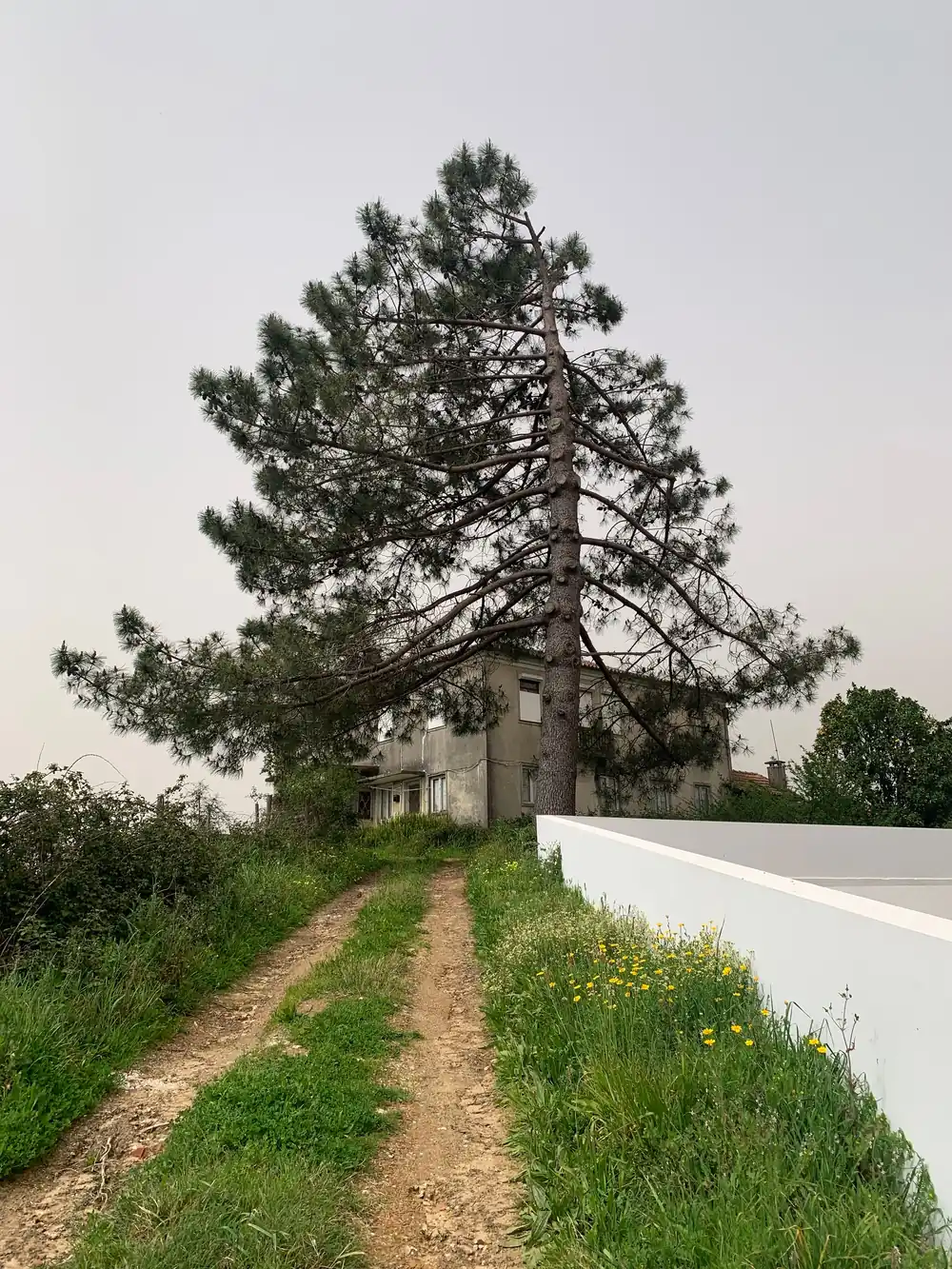
Not every struggling tree needs to come down. A mature ponderosa with the top 20 feet dead but a healthy lower canopy may be a candidate for crown reduction, not removal. A live oak with a hollow spot in the trunk may have decades of structural life left — the question is whether the hollow intersects the main load paths.
Spokane pros doing honest work will raise preservation options when they apply. Common cases:
On the request form, mention whether your preference is to try to save the tree if possible. The pro walks through the options.
Typical sequence on a residential removal in Spokane:
Pre-work walkthrough. The pro confirms the quoted scope and talks through the drop plan, access, and cleanup specifics.
Site protection. Tarps on lawn, foam pads on hardscape, moved vehicles clear of the drop zone. If the lot has delicate landscaping, extra care here.
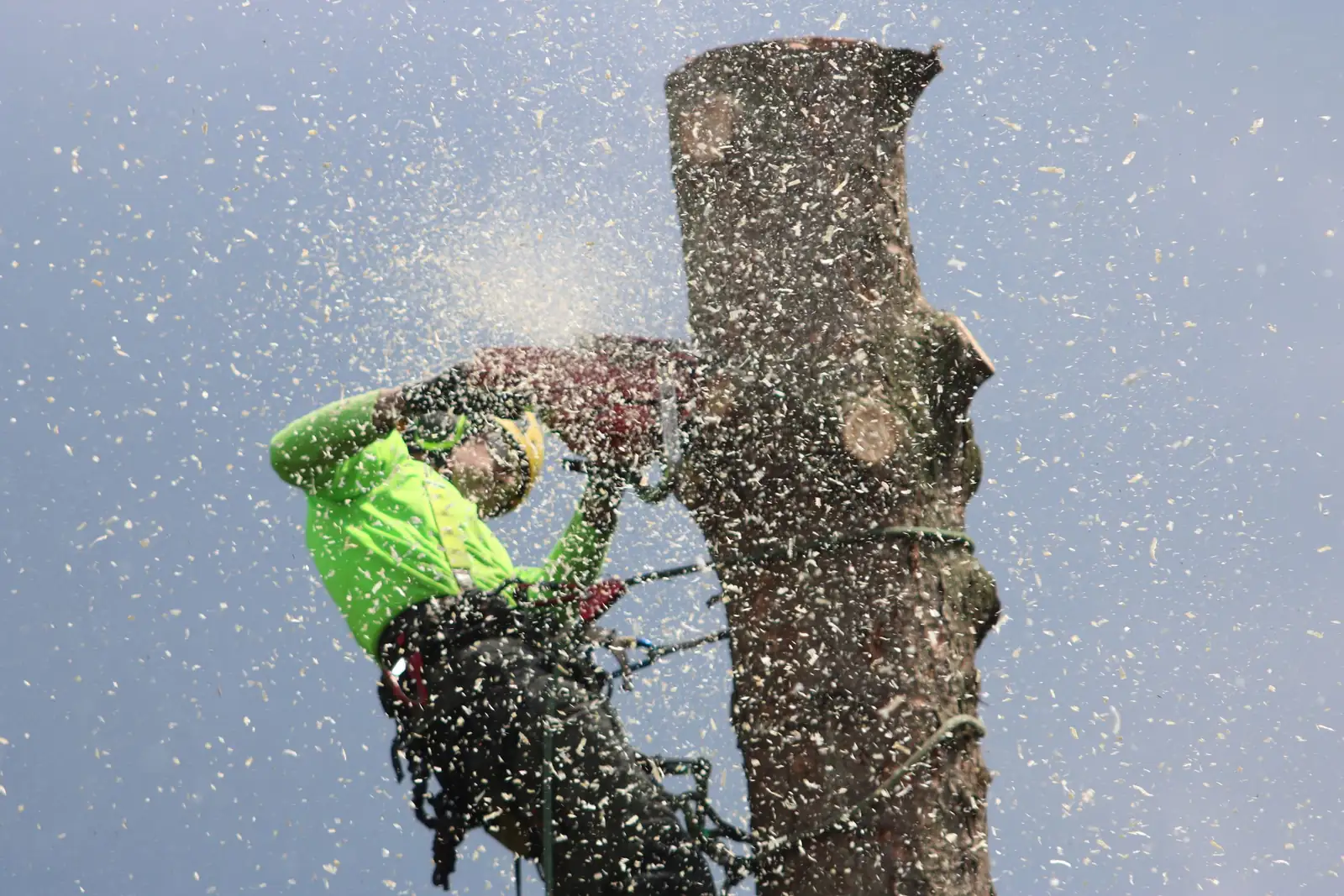
Top-down work. The climber or lift operator starts at the top, removing weight incrementally. On a large ponderosa, this is the longest part of the job — long sections are rigged and lowered rather than dropped.
Trunk sectioning. Once the crown is down, the trunk is cut into manageable rounds for either chipping, firewood (if you asked), or hauling.
Stump treatment per quote. Below-grade grind, ground-level cut, or leave as-is.
Final cleanup. Chips in the chipper or spread per quote, debris loaded, lawn and hardscape returned to clean state.
Residential removals of medium-sized trees are typically done in a single visit. Very large or complex removals (power lines, structures within reach, limited access) may take two visits.
How much to remove a 30-foot tree in Spokane?
30 ft is a mid-sized tree. The actual quote depends on species (ponderosa vs. aspen vs. cottonwood is very different), trunk diameter, access to drop zone, and cleanup. See tree service cost in Spokane for the drivers; ask the pro for the specific number when they call.
Can you remove a tree that's leaning toward my house?
Ask the pro to look at it during the walk-through. The pro assesses on site whether the lean is new, whether the root plate has lifted, and what the drop plan is. Mention "leaning" or "hazard" on the request form so it's flagged.
Do I need a permit to remove a tree on my own property in Spokane?
Rules vary by whether the tree is on private property or in the public right-of-way (between curb and sidewalk). See the City of Spokane — Tree Permits page for the current City of Spokane rules. HOAs sometimes require notice; check your CC&Rs.
Do you handle the stump too?
Yes — stump grinding is a common same-visit scope. Specify whether you want it ground below grade, cut to ground level, or left as-is. See stump grinding Spokane.
What about the wood?
By default, chipped and hauled off. If you want trunk rounds for firewood, specify length (16" / 18" / 20") on the form or when the pro calls.
Fill the form above. A local Spokane-area tree pro can contact you to schedule the on-site walk-through.
Get My Estimate →