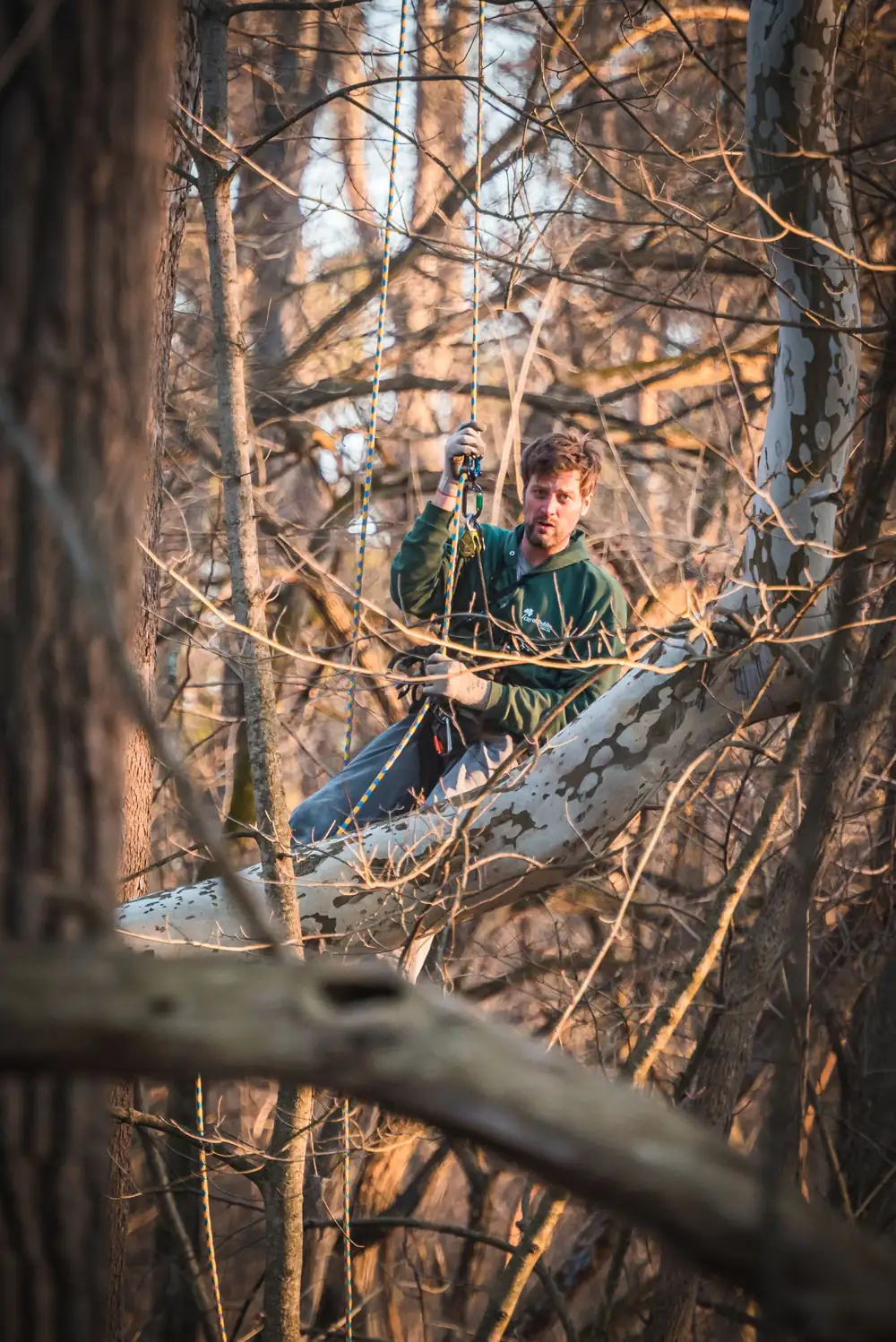
An arborist in Spokane handles the diagnostic and planning side of tree work — hazard tree assessment, pruning oversight, insurance claim documentation, species-specific advice — as opposed to the physical cutting and climbing that general tree crews provide. The two often overlap, but a dedicated arborist request usually means you want someone to look at a specific tree, write up what's going on with it, and recommend next steps. Fill the form and we pass your request to a local Spokane-area tree pro.
Takes 20 seconds. We pass your request to a local Spokane-area tree pro.
An arborist's work is diagnostic and prescriptive. On a residential property in Spokane, the common requests are:
An arborist and a general tree crew often work together. The arborist specifies what should be done; the crew executes.
Most routine tree work doesn't need an arborist — a general tree trimming or tree removal crew handles it fine. Ask for an arborist specifically when:
For straightforward removal of a dead tree or routine clearance pruning, a general crew is faster and cheaper.
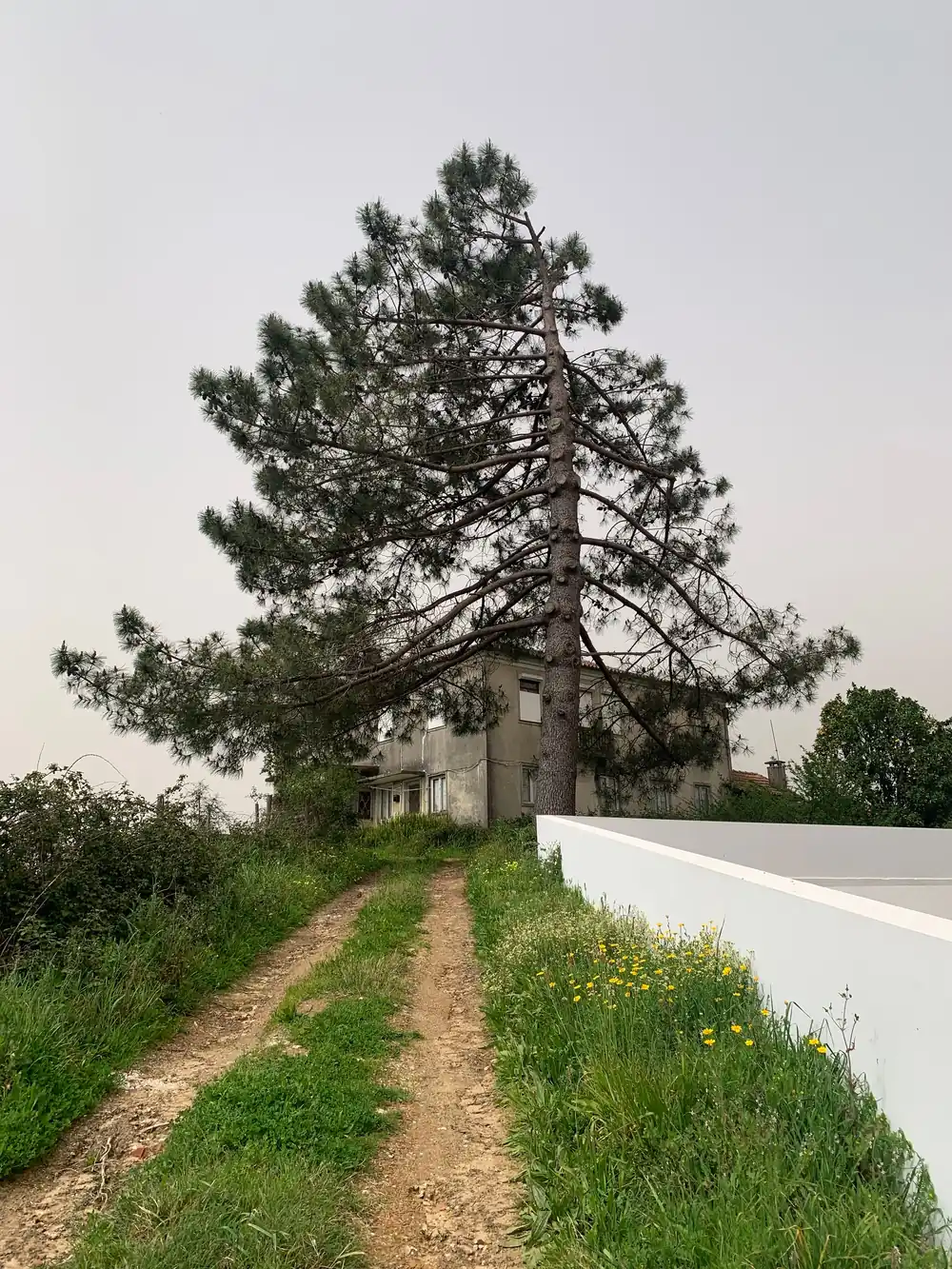
Spokane's climate is semi-arid, cold-winter, warm-dry-summer. The tree stock reflects that mix of native conifers and introduced deciduous species. The ones that come up most often on arborist calls:
The signature Spokane tree. Native, long-lived, structurally strong when healthy. The main concerns an arborist assesses:
Common in northeast Spokane and in the Mead / Deer Park foothills. Densely-stocked Douglas fir often has significant interior deadwood that an arborist flags for removal.
Common on larger lots and in older established neighborhoods. Lower-branch decline on mature spruce is normal; heavy canopy work isn't recommended.
An arborist looking at a mature maple or elm will assess co-dominant leaders, included bark, cracked unions, and crown dieback.
Spokane has a long backyard-orchard tradition, especially in the South Hill and north Spokane neighborhoods. Arborist work on fruit trees is mostly structural assessment on old specimens and disease diagnosis.
Oak wilt is not a concern in the Pacific Northwest — it's an eastern U.S. and upper Midwest disease. Spokane oaks (mostly ornamental) are generally stable.
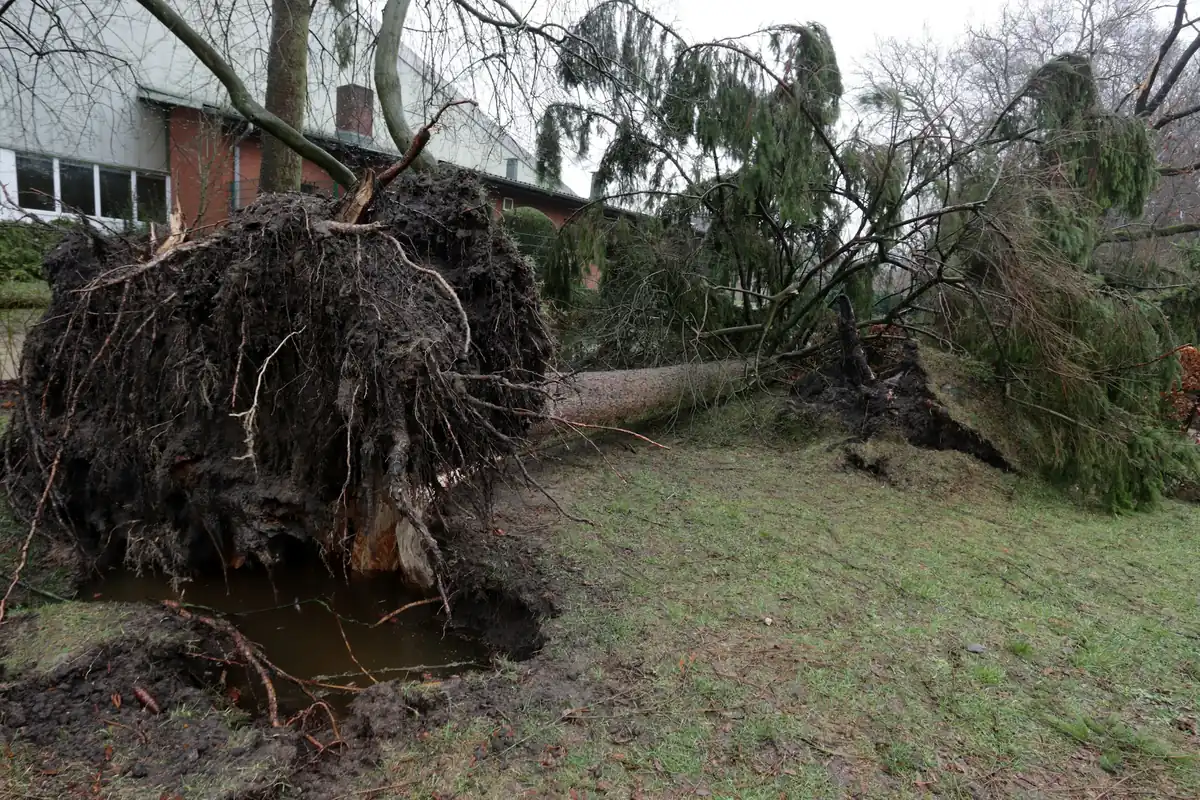
Spokane gets significant winter snowfall, and the two biggest climate drivers for arborist work are:
Rules for tree removal and significant pruning on protected trees vary by jurisdiction. The City of Spokane's Urban Forestry office handles permits and street-tree questions. See City of Spokane — Urban Forestry Permits before starting on street trees or protected specimens. Spokane County and the smaller municipalities (Spokane Valley, Liberty Lake, Cheney, Mead) have their own rules.
What's the difference between an arborist and a tree service?
An arborist focuses on diagnosis, assessment and prescription — looking at a tree, documenting its condition, and recommending what should be done. A general tree service does the physical work: cutting, climbing, removal, chipping. They often work together: the arborist specifies, the crew executes. For a straightforward removal or routine trimming, you don't need an arborist. For a sick tree, an insurance claim, or a specimen tree that needs careful cuts, you do.
Do I need an arborist for a dead ponderosa pine near my house?
Not for the removal itself — a tree removal crew handles that. An arborist is useful if you want documentation of what caused the death (beetle, drought, lightning) for insurance purposes, or if there are other pines nearby and you want to know whether they're at risk too.
How much does an arborist consultation cost in Spokane?
Varies by pro and by what you need written up; ask when you request.
Is pine beetle a real problem in Spokane?
Yes, especially in drought years. Mountain pine beetle and western pine beetle have been active in eastern Washington for over a decade. Mature ponderosa pines on urban lots are vulnerable, especially those under drought stress. An arborist can tell you whether a specific tree shows active signs.
Can an arborist handle insurance documentation for storm damage?
Yes — written assessment of tree condition pre-failure, cause of failure, removal cost, and replacement value is a standard arborist deliverable. Most insurance carriers accept it as supporting documentation for a claim.